Common problems gardeners face in narrow Brondesbury yards
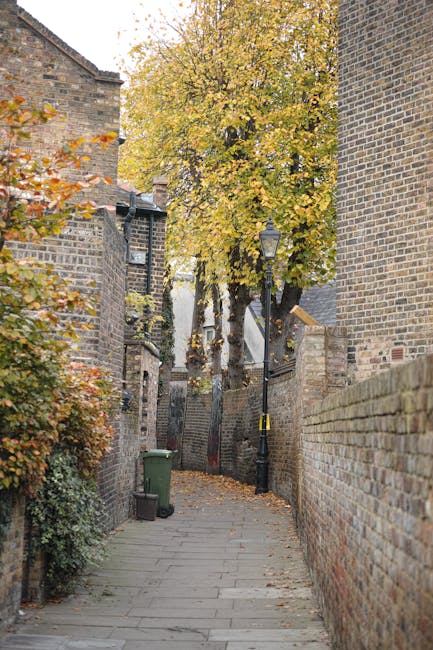
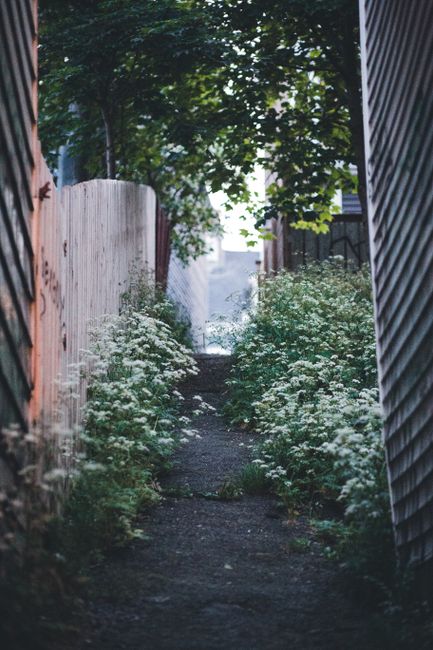
Narrow yards can look deceptively simple from the back door, but anyone who has actually tried to maintain one knows the story is different. Tight access, awkward corners, poor light, wet patches, and nowhere to turn a mower round can make even a small garden feel like hard work. In Brondesbury, where many homes have compact urban outdoor spaces, these challenges show up again and again. This guide breaks down the common problems gardeners face in narrow Brondesbury yards, why they matter, and what practical steps tend to work best in real life.
Whether you are trying to keep a small courtyard tidy, improve a long thin strip of lawn, or rethink a cramped paved yard that never quite feels usable, the aim here is to give you clear, honest advice. Nothing fancy. Just the sort of practical guidance that helps you make better decisions and avoid the usual headaches.
Table of Contents
- Why this topic matters in Brondesbury
- How narrow-yard gardening actually works
- Key benefits of tackling the problems properly
- Who this is for and when it makes sense
- Step-by-step guidance
- Expert tips for better results
- Common mistakes to avoid
- Tools, resources and recommendations
- Law, compliance, standards and best practice
- Options, methods and comparison table
- Case study or real-world example
- Practical checklist
- Conclusion
- Frequently asked questions
Why Common problems gardeners face in narrow Brondesbury yards Matters
Narrow yards are not just smaller versions of bigger gardens. That is the first thing to understand. The proportions change everything. A space that is only a little too tight can feel cluttered, a little too dark can become permanently damp, and a little too enclosed can turn into a wind tunnel. In practical terms, this means the same maintenance routine that works in a more open garden can fail here very quickly.
For Brondesbury homeowners, the issue often comes down to making the space earn its keep. A narrow yard still has to be cleaned, watered, planted, and accessed safely. It may also need to store bins, bikes, tools, and all the small bits and pieces that somehow collect outdoors. If the layout is wrong, every task takes longer than it should. That gets old fast.
There is another reason this matters: small urban yards are easy to neglect because they feel hard to improve. People put off the work, then the weeds take over, the paving gets slippery, and the whole area starts to feel like a dead zone. A smarter approach turns that around. Even a very tight space can be pleasant, tidy, and surprisingly useful.
Expert takeaway: In a narrow yard, every decision has a bigger impact than you expect. Small improvements in access, drainage, surface choice, and planting design often create the biggest gains.
If you are comparing professional help, services such as gardening services or garden maintenance are often more useful than one-off cosmetic fixes, because narrow spaces tend to need ongoing adjustment rather than a single tidy-up.
How Common problems gardeners face in narrow Brondesbury yards Works
At a basic level, narrow-yard gardening is about sequencing. You solve access first, then hard surfaces, then planting, then storage and finishing touches. If you reverse that order, you end up working around the same problems again and again. That is why so many compact yards feel unfinished even after money has been spent on them.
The usual issues appear in clusters. A cramped side return might have poor light, which means moss on paving, weak lawn growth, and fewer plant choices. A long thin rear yard might have decent sun at one end but is awkward to mow and even harder to landscape neatly. A paved courtyard may be easy to sweep but can feel cold, echoey, and unwelcoming if there is no softening planting or vertical structure.
In real terms, a good narrow-yard plan is less about cramming things in and more about choosing fewer things that work harder. You often get better results from one well-placed raised bed, a simple path line, and a few shade-tolerant plants than from trying to squeeze in a lawn, a shed, a patio set, and a border all at once. Sounds obvious. It still gets overlooked all the time.
The most common problem patterns
- Access bottlenecks: no easy route for bins, tools, mowers, or bulky waste.
- Poor light: nearby walls and fencing reduce plant performance and dry-out time.
- Drainage issues: water lingers after rain, leaving slippery or soggy patches.
- Overcrowding: too many features compete in too little space.
- Maintenance traps: hard-to-reach corners become weed and leaf collectors.
When these problems overlap, it can be worth looking beyond basic tidying and into structural improvements through landscaping or more tailored landscape gardening. The right intervention depends on what is actually causing the frustration, not just what looks untidy on the day.
Key Benefits and Practical Advantages
Fixing narrow-yard problems is not just about appearance. It changes how usable the space feels every week of the year. That practical payoff is the real reason people stick with the work.
- Less time spent maintaining: simpler layouts are quicker to sweep, prune, and water.
- Safer movement: clear routes reduce trips, slips, and awkward lifting.
- Better plant performance: the right plants in the right spots need less rescue work.
- Improved light and space perception: a smart layout can make a yard feel wider than it is.
- More usable outdoor living space: even a compact yard can support seating, storage, or planting zones.
There is also a quiet but important benefit: once the space is organised properly, it becomes easier to keep on top of. A yard that feels easy to maintain gets used more. And a yard that gets used more tends to stay better looked after. Funny how that works.
For many households, the biggest win comes from pairing tidy surfaces with targeted maintenance. A clean patio, for example, can make the whole area feel brighter and less cramped. In that case, a service like patio cleaning may do more for the overall look than adding another decorative feature.
Who This Is For and When It Makes Sense
This topic matters if you own, rent, manage, or regularly maintain a narrow yard in Brondesbury. It is especially relevant if the space is awkward rather than simply small. A narrow yard with one clear path and good drainage is manageable. A narrow yard with tangled planting, broken paving, and no storage is a different beast entirely.
It also makes sense if you are deciding whether to keep, change, or remove existing features. For instance, you may be wondering whether a tired strip of grass is worth saving, or whether a section of the yard would be better as paving, decking, or a planted border. That is a judgment call, and the right answer often depends on the amount of light, how the space is used, and how much maintenance you can realistically keep up with.
In our experience, these are the people who benefit most from a proper plan:
- homeowners with long, narrow rear yards
- landlords trying to make compact outdoor space more presentable
- busy families who need low-maintenance access and safe surfaces
- older residents who need clearer movement and less heavy upkeep
- anyone trying to improve a shaded, damp, or neglected city yard
If the garden has become overgrown or difficult to enter safely, garden clearance is often the sensible starting point before any more detailed design or maintenance work.
Step-by-Step Guidance
The easiest way to handle a narrow yard is to work methodically. Not glamorous, perhaps, but it saves a lot of backtracking.
- Assess the access. Measure the narrowest point, check door swing, gate width, and how you will move waste, tools, and materials in and out.
- Map the trouble spots. Note where water collects, where moss appears, where light is weakest, and which corners are difficult to reach.
- Decide what the space must do. Do you need seating, storage, children's play space, planting, or a simple clean-through route?
- Strip back clutter. Remove unnecessary pots, dead plants, cracked ornaments, and anything that blocks movement.
- Choose a practical surface plan. A narrow yard usually works best with one dominant surface and a limited number of transitions.
- Select plants for the conditions. Shade-tolerant, compact, and manageable varieties usually perform better than high-maintenance showpieces.
- Build in maintenance access. Leave enough room to prune, sweep, and inspect without having to squeeze sideways.
- Finish with simple structure. Fencing, edging, raised beds, or a slim bench can create definition without overcrowding the space.
A small example: if a yard has a damp corner under a tall boundary wall, do not keep trying to force a thirsty sun-lover into it. Shift the plan. Put in a shade-tolerant plant group, improve airflow if possible, and leave enough clearance for cleaning. That is the sort of change that saves time every month.
Where the structure of the yard itself is causing the difficulty, a carefully chosen fence or boundary treatment can help define the space. Services like fencing are often part of the answer, especially if the current boundary is making the yard feel even narrower.
Expert Tips for Better Results
After years of looking at tight urban spaces, one thing becomes clear: simple is usually better. Not boring. Simple. There is a difference.
1. Use vertical space properly
When floor space is tight, walls and fences matter more. Climbing plants, wall-mounted planters, slim trellises, and compact shelving can add interest without stealing walking room. The key is restraint. Too much vertical clutter makes a yard feel busy and smaller.
2. Keep the planting palette narrow
Choose a few reliable plants and repeat them. Repetition creates calm. It also makes aftercare easier because your pruning and watering needs are more predictable. A narrow yard can look better with three strong plant choices than with ten random ones.
3. Prioritise clean lines
Curves can work, but in many narrow spaces they waste precious width. Straight edging, disciplined borders, and clear paths often look sharper and feel less cramped. To be fair, straight lines can be a relief in a small yard where everything else is already competing for attention.
4. Watch drainage before you invest in decoration
If water sits on the surface after rain, fix that first. No amount of nice furniture will change the fact that you are standing in a puddle. Sometimes the issue is as simple as blocked run-off or compacted soil. Sometimes it needs a more considered surface adjustment. Either way, deal with it early.
5. Make maintenance physically easy
The best narrow-yard design is one you can actually maintain with a normal routine. If a hedge can only be trimmed by stepping over pots and edging sideways past a bench, it is not a workable setup. That is where services like hedge trimming or lawn care can help keep the space under control without constant disruption.
Common Mistakes to Avoid
Some mistakes keep showing up in compact Brondesbury yards, and they are usually expensive in time rather than money. Which, honestly, can be worse.
- Trying to fit in too many features: a seating area, lawn, storage, and dense planting can overcrowd a narrow yard fast.
- Ignoring the direction of light: putting the wrong plants in the wrong place leads to frustration and replacement costs.
- Leaving awkward access until last: if you cannot get to a corner, it will become a problem again.
- Choosing high-maintenance materials: decorative surfaces that stain easily or trap debris can create more work than they solve.
- Overlooking boundary conditions: walls, fences, and neighbouring structures may create shade, damp, or leaf fall.
- Using a lawn where it does not belong: a thin strip of grass in a shady yard often becomes a muddy compromise rather than a feature.
One of the sneakiest problems is scale. People pick features that are lovely on their own, but too bulky in context. A deep bench, broad pots, or a chunky table can dominate a narrow yard and make it feel like a corridor with furniture in it. Not ideal.
In some cases, removing the wrong feature is the best improvement. If a cramped area has become overrun with dead material, broken pots, or redundant clutter, garden clearance can reset the space before you make better choices.
Tools, Resources and Recommendations
You do not need a van full of equipment to manage a narrow yard well. In fact, too many tools can create the same problem the garden already has: clutter.
Useful practical tools
- compact hand shears for precise pruning
- a narrow rake for leaves and gravel
- lightweight sweeping tools for paved areas
- a small watering can or hose setup with controlled reach
- folding or stackable storage for seasonal items
- decent gloves with good grip, because narrow spaces are full of awkward edges
Useful service types to consider
- General gardening support for regular upkeep and seasonal changes
- Lawn mowing where grass is still viable and worth keeping
- Tree surgery where larger trees are affecting light, safety, or space
- Tree lopping and removal when overhanging growth is crowding the yard or blocking usable sunlight
- Decking services if a hardwearing platform would make more sense than struggling with tired ground cover
For many people, the most helpful recommendation is not a product but a method: start with the boring stuff first. Clear, assess, measure, then decide. It is not the most exciting route, but it avoids the classic mistake of spending on decoration before function.
Law, Compliance, Standards and Best Practice
Most narrow-yard gardening work is straightforward, but once you start dealing with trees, shared boundaries, waste disposal, or larger construction changes, best practice matters more. In the UK, it is wise to work carefully around property boundaries, neighbour access, and any protected trees or local restrictions that may apply. If in doubt, check before cutting or removing anything significant.
Safety also matters. Even in a small yard, slips on damp paving, unstable edging, and awkward lifting can cause problems. Good practice includes keeping walkways clear, using stable steps or ladders where needed, and making sure heavier work is done by competent people. If you are hiring help, it is sensible to look for clear insurance and safety arrangements. A provider's insurance and safety information and health and safety policy can help you judge whether they take the basics seriously.
There is also the practical matter of waste. Old soil, cuttings, broken timber, and paving rubble should be removed and handled responsibly. Many households prefer to ask about sorting, reuse, and disposal in advance. That fits well with a wider recycling and sustainability approach, especially when the yard is being cleared or redesigned.
And yes, small jobs still deserve proper quoting and clear terms. Even for a compact space, it helps to know what is included, what is not, and how any changes will be handled. That is where a page like pricing and quotes can be useful before any work begins.
Options, Methods, or Comparison Table
Not every narrow Brondesbury yard needs the same solution. Some need simplification, some need softening, and some need structural change. Here is a practical comparison of the main approaches.
| Approach | Best for | Strengths | Trade-offs |
|---|---|---|---|
| Regular maintenance only | Yards that are already functional | Lower disruption, lower cost, keeps space tidy | Won't solve access, drainage, or layout problems |
| Light redesign | Spaces with awkward planting or clutter | Improves usability without major works | Still limited by existing structure |
| Landscaping changes | Spaces with poor flow, poor surfaces, or weak definition | Can transform feel and function | More planning needed; may involve more upfront effort |
| Hard landscaping add-ons | Areas needing clearer structure | Useful for boundaries, paths, or seating zones | Can feel heavy if overused in a very tight space |
| Full clearance and reset | Overgrown or neglected yards | Creates a clean starting point | Does not by itself solve the long-term design |
In many cases, a blend works best. A yard might need clearance first, then a small design shift, then regular maintenance to keep it there. That is usually more realistic than chasing one grand solution.
Case Study or Real-World Example
Consider a typical narrow rear yard in Brondesbury: a long, shaded strip with cracked paving, a few tired shrubs, some moss near the back wall, and a bin corner that always seems to be in the way. It is not a disaster, just awkward. The kind of space people stop noticing because it has become background noise.
The first step is usually clearance. Remove dead pots, cut back overgrowth, and open a clear route from the house to the back wall. Next, deal with the surface. If the paving is uneven or slippery, a clean and stable finish makes the yard feel safer immediately. Then comes the structure: perhaps one slim border, one compact seating area, and a set of plants that tolerate shade and occasional damp.
After that, the yard is easier to manage. A regular sweep takes minutes. Plant care is simple. The bin area is no longer a choke point. Nothing dramatic happened, which is exactly the point. The space stops fighting back.
We have seen this kind of improvement make a big difference in everyday use. People start letting the back door open more often, or they put a chair outside in the evening when the air finally cools down. Small thing, maybe. But it matters.
Practical Checklist
Use this quick checklist if you are sizing up a narrow yard and want to know where to begin.
- Have you measured the tightest access points?
- Do you know where water collects after rain?
- Can you reach every corner without moving obstacles?
- Is the planting suitable for the available light?
- Are there too many features competing for space?
- Is the yard easy to sweep, prune, and inspect?
- Do any trees, hedges, or fences need attention?
- Would clearance improve the space before any redesign?
- Is storage blocking movement or making the yard feel smaller?
- Do you need a maintenance plan rather than a one-off tidy-up?
If you can answer "no" to several of these, that is not a failure. It just means the yard probably needs a more thoughtful reset than a quick tidy. Which, to be honest, is quite common.
Conclusion
Narrow Brondesbury yards present a very particular set of challenges: awkward access, limited light, drainage headaches, clutter pressure, and the constant temptation to overfill the space. But those same constraints can lead to smarter, cleaner, and more satisfying garden decisions. Once you identify the real problem, the fix usually becomes much clearer.
The most successful narrow-yard projects are rarely the fanciest. They are the ones that respect the proportions of the space, keep maintenance realistic, and make room for the things people actually need day to day. Clear routes. Reliable surfaces. A few well-chosen plants. A layout that does not get in your way every time you step outside.
If you are standing in a small yard right now wondering where on earth to begin, start with the basics. Clear it, measure it, and be honest about what it can comfortably do. That first honest look often changes everything.
Get a free quote today and see how much you can save.
Frequently Asked Questions
What are the most common problems gardeners face in narrow Brondesbury yards?
The biggest issues are usually poor access, limited light, drainage problems, cramped layouts, and maintenance areas that are hard to reach. Narrow spaces magnify each problem, so even a small flaw can become annoying quickly.
Why do narrow yards feel harder to maintain than larger gardens?
Because every move takes more planning. You have less room for tools, less space to turn around, and fewer options for hiding awkward features. A small amount of clutter can also make the whole area feel crowded fast.
Is lawn a bad idea in a narrow yard?
Not always, but it often is if the yard is shaded, damp, or too tight to mow easily. A thin strip of grass can become muddy and patchy. In many cases, paving, decking, or planting is more practical.
How can I make a narrow yard look wider?
Use simple lines, limit the number of materials, and avoid bulky furniture. Repeating a few plant types and keeping the centre line clear usually helps the space feel calmer and less squeezed.
What should I do first if my narrow yard is overgrown?
Start with clearance. Remove dead growth, broken items, and anything blocking access. Once the space is visible again, it becomes much easier to judge what to keep, cut back, or redesign.
Are there special risks with shaded narrow yards?
Yes. Shaded areas often stay damp for longer, which can lead to moss, slippery paving, and weaker plant choices. Shading from walls, fences, or trees can also limit what will thrive there.
How often should a narrow yard be maintained?
That depends on how heavily it is used, but compact urban yards usually benefit from regular attention rather than occasional big clean-ups. A little and often tends to work best.
Do fencing or boundary changes help in tight spaces?
They can, especially if the current boundary is damaged, messy, or making the yard feel enclosed. The right boundary treatment can improve definition, privacy, and the overall feel of the space.
What is the biggest design mistake in a narrow yard?
Trying to fit in too much. People often overestimate how many features the space can hold. The result is a yard that feels busier and smaller, even if each item looks nice on its own.
Should I choose landscaping or regular maintenance?
If the yard is already functional, regular maintenance may be enough. If the space is awkward, badly laid out, or hard to use, landscaping is often the better long-term decision.
Can small yards still support good planting?
Absolutely. The trick is choosing plants that suit the light, the airflow, and the amount of care you can realistically give. Compact, repeated planting schemes often look better than trying to squeeze in lots of variety.
How do I know if I need professional help?
If access is difficult, surfaces are unsafe, trees or hedges are in the way, or the space has become too cluttered to manage alone, professional help can save time and avoid mistakes. It is often less about luxury and more about getting the basics done properly.