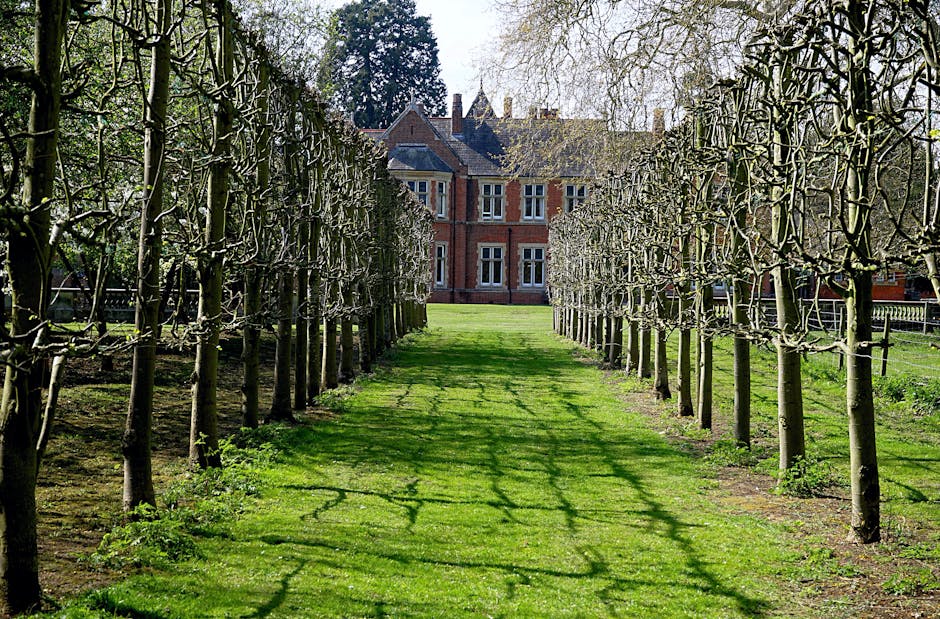
NW6 gardeners for terraced and period property maintenance

Terraced and period homes in NW6 have a charm that modern builds often try to copy and rarely quite match. The brickwork, narrow plots, mature boundaries, old paving, and slightly awkward access all tell a story. But that same character can make outdoor upkeep a little more demanding than people first expect. If you have ever looked at a front garden that should feel elegant but somehow feels cramped, or a rear space that gathers shade, moss, and clutter by the end of winter, you will know the feeling.
This guide explains how NW6 gardeners for terraced and period property maintenance keep these gardens looking cared for without stripping away their character. We will look at what the work involves, how it is approached, which mistakes to avoid, and what practical results you should expect. You will also find a clear checklist, a comparison table, and a realistic example of how good maintenance changes the feel of a property. Nothing fancy for the sake of it. Just proper, useful guidance.
Why NW6 gardeners for terraced and period property maintenance Matters
Terraced and period properties tend to have tighter boundaries, older surfaces, and more visual pressure than newer homes. In NW6, that often means front gardens are close to the pavement, back gardens can be narrow or shaded, and details matter more because the outdoor space is part of the building's overall appearance. If the planting looks tired or the paving starts to sag, the whole property can feel neglected even if the house itself is beautifully kept. Bit unfair, perhaps, but that is how first impressions work.
Good maintenance protects both function and aesthetics. That includes keeping access clear, preventing plants from crowding walls and windows, managing damp-sensitive areas, and making sure old features are respected rather than damaged by overzealous pruning. For period homes, the trick is usually restraint. You want the garden to look settled, not staged. That is where local experience really helps, especially when dealing with compact London gardens that need regular but careful attention.
It also matters because many older gardens have accumulated small issues over time: self-seeded shrubs, drains blocked by leaf litter, ivy climbing where it should not, or borders that have lost structure. These are not dramatic problems on day one. Then suddenly they are. A sensible maintenance plan catches them early.
Expert summary: Terraced and period property gardens usually need a lighter touch, regular inspection, and consistent tidying. The best maintenance keeps character intact while quietly preventing bigger repairs later.
How NW6 gardeners for terraced and period property maintenance Works
In practice, maintenance starts with a proper look around. A good gardener will assess access, soil condition, drainage, plant health, boundary issues, and the overall style of the property. That first pass is more valuable than many people realise. It tells you whether the garden needs routine upkeep, a seasonal reset, or a more structured programme of care. If there is a front garden design question as well, it can help to think about the balance between useful access and a polished appearance, much like the ideas discussed in this front garden design guide.
From there, the work is usually grouped into manageable tasks:
- Pruning and trimming: shaping shrubs, keeping climbers under control, and preventing overgrowth against brick or timber.
- Weeding and border care: removing invasive growth and renewing mulch or ground cover where useful.
- Lawn care: mowing, edging, feeding, scarifying, and patch repair if the lawn is part of the layout.
- Leaf and debris clearance: especially important in autumn and after windy weather.
- Hard surface cleaning: paths, steps, patios, and small paved areas often need more attention than people expect.
- Seasonal planting and protection: keeping structure through winter and refreshing tired areas in spring.
For period properties, maintenance often includes more judgement than brute force. For example, you do not automatically cut everything back hard in one go. Mature shrubs may need careful reduction over time. Climbers may need selective training, not a blanket trim. A seasoned gardener will work with the house style, not against it. That sounds obvious, but plenty of rough jobs happen because someone treated an old garden like a blank canvas. Not ideal.
Key Benefits and Practical Advantages
Well-managed gardens deliver both day-to-day convenience and longer-term value. Here are the main advantages homeowners usually notice first.
- Better kerb appeal: a tidy terrace-front garden or entrance path makes the whole property look more cared for.
- Less pressure on repairs: regular trimming and clearance reduce the risk of roots, moisture, and overgrowth creating problems.
- Improved light and airflow: important for shaded plots and walls that can hold damp.
- More usable space: compact gardens feel larger when edges are clear and planting is disciplined.
- Seasonal resilience: gardens handled with foresight cope better with wet winters, gusty periods, and summer dry spells.
- Character protection: period features stay visible instead of being swallowed by vegetation.
There is also a quieter benefit: peace of mind. You stop walking past the same unruly corner and thinking, "I really must get that sorted." That little background stress is real. Once maintenance is under control, the space starts to feel like part of the home again rather than a nagging task.
For homes where residents want a lower-commitment approach, combining maintenance with smarter planting can make a huge difference. A good example is choosing reliable ground cover rather than fighting bare soil every month; the right species can suppress weeds and keep the look calm. The article on practical ground covers for UK gardens is a helpful companion read if you are thinking along those lines.
Who This Is For and When It Makes Sense
This type of maintenance is especially useful if you own or manage:
- a Victorian or Edwardian terrace with mature front and rear planting
- a period conversion with a shared frontage or small courtyard
- a narrow back garden that gets shade, leaf fall, or moss build-up
- a rental property where presentation matters but time is limited
- a family home where the garden has become a bit overgrown over winter
- a home where you want to keep the original feel but make upkeep simpler
It also makes sense if you have inherited a garden that has "good bones" but needs sorting out before it becomes truly enjoyable. That is a common NW6 scenario, to be fair. A lot of older gardens look fine from the kitchen window but reveal a different story up close: uneven edging, tired shrubs, thin lawn, and a few confident weeds doing their own thing.
If the garden is more neglected than maintained, you may need a restorative visit first rather than ongoing tidy-ups. A staged recovery can be the smarter move, especially where old planting is worth keeping. If the space feels overwhelming, a before-and-after reset similar in spirit to the ideas in these neglected garden makeover tips can help you see what is possible.
Step-by-Step Guidance
If you are planning maintenance for a terrace or period property, it helps to think in a calm sequence rather than an all-at-once rush. Here is a sensible approach.
- Inspect the space properly. Check access points, boundaries, path edges, drainage areas, and anything growing against the house.
- Prioritise safety and access. Clear trip hazards, remove obstructive growth, and make sure gates, steps, and paths are easy to use.
- Set the structure first. Trim hedges, define borders, and shape shrubs before doing decorative planting.
- Deal with weeds and debris. Clear the obvious mess so you can actually see the garden's shape again.
- Protect surfaces and walls. Check for roots near paving, moisture-retaining growth near brickwork, and climbing plants that need training.
- Refresh the planting. Add seasonal colour, shade-tolerant plants, or low-maintenance options where a border looks thin.
- Finish with detail work. Edging, sweeping, patio clearing, and small adjustments make a surprising difference.
In a terraced property, that final detail stage matters more than people expect. A crisp edge along a narrow path can make a small garden look intentional, even elegant. No drama. Just tidy lines and the feeling that someone cares.
Where hedges or boundary shrubs are part of the layout, consistency is everything. A clean, even finish keeps light levels balanced and avoids the "one side is winning" look. For that, it helps to think about seasonal hedge care rather than a once-a-year cut. If privacy is a concern, a carefully chosen hedge can do the job without turning the garden into a green wall. You may also find this hedge selection guide for seclusion useful for planning.
Expert Tips for Better Results
Here are the small habits that make a big difference in older London gardens.
- Trim with the building in mind. Keep air moving around brickwork, windows, and timber details.
- Use restraint on mature plants. Heavy cuts can shock older shrubs and make them look bare for months.
- Prefer layered maintenance. A little work each season is better than one brutal overhaul every two years.
- Choose plants that suit the site. Shade, wind exposure, root competition, and soil depth all matter.
- Leave room for access. Narrow terraces need clean routes to bins, meters, side returns, and steps.
- Watch for water behaviour. In compact gardens, drainage issues show up quickly after rain. Very quickly.
One practical tip people often overlook: photograph the garden before and after each season's work. It sounds simple, maybe even a bit nerdy, but it helps you spot slow changes in shape, light, and plant health. You can tell when a shrub is starting to dominate a corner or when a border has lost structure. It is a useful little habit.
And if the garden has a shade problem, do not fight it with plants that clearly hate shade. That tends to end in frustration. Better to lean into the conditions with smarter choices, including evergreen climbers for difficult spots or reliable shade-loving texture plants. The guide on evergreen climbers for shaded areas is a good reference point.
Common Mistakes to Avoid
Older gardens can look deceptively simple. They are not. Here are the errors that cause most avoidable headaches.
- Overpruning mature shrubs: it can leave a period garden looking stripped and unbalanced.
- Ignoring drainage clues: moss, puddling, and damp patches are rarely "just cosmetic".
- Cutting climbers without a plan: some need training, not repeated hacking.
- Using the wrong lawn routine: compact lawns in shade or between buildings need different care from open suburban turf.
- Letting front gardens become storage areas: bikes, bins, and clutter quickly overwhelm small terraces.
- Choosing style over practicality: a beautiful design that blocks access or encourages constant mess is not a win.
Another common issue is trying to make a period garden look brand new. That often backfires. These spaces usually look best when they feel settled, slightly softened, and a little lived in. Not shabby. Just not overworked. There is a difference, and locals notice it straight away.
For ongoing weed pressure, especially where old paving or narrow beds meet walls, a targeted approach is better than repeated surface-level pulling. If that sounds familiar, the article on better weed control techniques is worth a look.
Tools, Resources and Recommendations
A proper maintenance result depends on the right kit, but you do not need a van full of equipment to do a good job. The essentials are usually straightforward.
| Task | Useful tools or materials | Why it helps in terrace and period gardens |
|---|---|---|
| Pruning and shaping | Secateurs, loppers, hedge trimmers, pruning saw | Allows controlled work on mature shrubs without rough cuts |
| Border care | Fork, hand fork, hoe, compost, mulch | Keeps tight borders tidy and reduces weed regrowth |
| Path and patio upkeep | Stiff broom, washer where suitable, moss remover | Prevents slippery or shabby-looking surfaces |
| Lawn maintenance | Mower, edging tool, feed, aerator | Small lawns need precision more than brute force |
| Seasonal protection | Mulch, fleece, stakes, ties | Helps protect plants and structure through colder months |
For homeowners who want a lower-maintenance finish, a few smart changes pay off for years. Ground covers, hardy evergreens, and container planting can reduce labour while keeping the garden attractive. If you are weighing those options, the article on simple low-maintenance garden solutions is a practical companion.
And yes, good equipment matters. A blunt pair of secateurs will undo a calm pruning session in about ten seconds. Ask any gardener, and you will get the same weary smile.
Law, Compliance, Standards, and Best Practice
For garden maintenance in the UK, the key point is not usually about one dramatic law; it is about sensible, compliant practice. That means working safely, respecting boundaries, and avoiding damage to protected structures, trees, or neighbouring properties. In dense terrace streets, a careless cut can easily become a neighbour issue, so communication matters as much as technique.
Best practice usually includes the following:
- Safe working methods: tools should be used properly, with appropriate protective equipment where needed.
- Care around walls and masonry: old brickwork can be vulnerable to invasive roots, moisture retention, and poor pruning choices.
- Respect for boundary lines: especially where planting crosses fences, walls, or shared access routes.
- Thoughtful tree and hedge work: larger growth should be assessed before any significant reduction or removal.
- Waste handling and tidiness: clippings, soil, and debris should be removed responsibly, not just shifted into a corner.
If work involves taller trees, wall-adjacent climbers, or awkward access, it is wise to use a team that understands risk and local conditions. That is one reason many homeowners prefer to pair maintenance with broader services such as tree surgery, fencing, or clear health and safety procedures. It is less about being formal and more about avoiding preventable trouble.
For those comparing service providers, transparent quoting and payment practices also matter. You want clear expectations, not surprises. That is especially true if the work will be phased over a few visits. A plain-English approach to pricing and quotes usually saves everyone time.
Options, Methods, and Comparison Table
Not every garden needs the same maintenance model. The right choice depends on how much time you have, how mature the planting is, and how much change you want to see.
| Approach | Best for | Pros | Limitations |
|---|---|---|---|
| Routine tidy maintenance | Well-kept terraces and period gardens | Efficient, consistent, preserves character | Won't solve deeper structural issues |
| Seasonal reset | Gardens that have slipped for a few months | Fast visual improvement, clears clutter | Needs follow-up to stay effective |
| Restorative overhaul | Overgrown or neglected properties | Creates a clean baseline for future care | Takes more time and planning |
| Low-maintenance redesign | Busy owners or rental properties | Reduces ongoing work, easier to manage | May need initial investment |
For many NW6 homes, the best answer is a mix: routine care plus a few low-maintenance improvements. That might mean patio clearing, better edging, a more suitable hedge, and a couple of planting changes to reduce future work. A tidy structure with modest planting often beats a high-maintenance display that nobody can keep on top of. Truth be told, that is where most long-term satisfaction comes from.
If you are considering hard surfaces as part of the maintenance plan, it can help to review patio cleaning and decking services alongside the planting work. One tends to make the other look better.
Case Study or Real-World Example
Picture a typical NW6 terrace: a small front garden with a narrow path, a mature shrub near the bay window, several self-seeded weeds at the base of the wall, and a back garden that stays damp until late morning. Nothing outrageous. Just a space that has quietly drifted out of shape.
In a realistic maintenance visit, the first priority would be clearing access and reducing the visual clutter. The shrub near the window might be lightly reshaped rather than hard cut, the weeds removed from the path edges, and the front border tidied so the entrance feels open again. At the back, mossy sections would be assessed, and the planting might be adjusted to suit the shade rather than fighting it. A few evergreen touches could bring structure through winter, while climbers or ground cover soften the walls without overtaking them.
What changes most is not just appearance. The whole garden feels easier. Easier to walk through. Easier to sweep. Easier to water, prune, and enjoy on a quiet evening with a mug of tea while the light is fading. You notice the garden again, which sounds small but really isn't.
That kind of result is where experienced local gardeners earn their keep. They are not simply tidying. They are editing the space so the house and garden feel like they belong together.
Practical Checklist
Use this quick checklist before booking or carrying out work on a terraced or period garden:
- Check whether the garden needs routine care or a one-off reset.
- Identify any growth near walls, windows, drains, or fences.
- Note shaded areas, damp patches, and poor-draining spots.
- Decide which features must be preserved for the property's character.
- List any urgent issues: overgrowth, trip hazards, moss, blocked access.
- Think about whether the planting should become lower maintenance.
- Confirm how garden waste will be removed.
- Ask about safe working methods and insurance where relevant.
- Decide whether you want ongoing upkeep or seasonal visits only.
- Set a realistic budget and ask for a clear written scope.
If you want a cleaner, simpler starting point for a broader garden plan, garden maintenance and general gardening services are often the most practical places to begin.
Conclusion
NW6 terraced and period properties deserve maintenance that respects their shape, age, and setting. The best results come from steady, thoughtful work: pruning with restraint, clearing with purpose, and making small decisions that support the character of the home instead of flattening it. That is the real art here. Not making a garden look perfect for five minutes, but keeping it healthy, usable, and quietly elegant through the seasons.
Whether you need a tidy-up, a reset, or a longer-term care plan, the value is in understanding the property before touching a single stem. Once that is done well, everything else tends to fall into place. And honestly, it is a relief when a garden finally feels as calm as the house beside it.
Get a free quote today and see how much you can save.
If you are ready to discuss a tailored approach, the simplest next step is to get in touch through the contact page. A short conversation is often enough to turn a long list of garden worries into a clear, manageable plan.
Frequently Asked Questions
What do NW6 gardeners for terraced and period property maintenance usually include?
It usually includes pruning, trimming, weeding, lawn care, border tidy-ups, leaf clearance, patio cleaning, seasonal planting, and keeping access routes clear. For period homes, the work is often more careful than dramatic.
How often should a terraced garden be maintained?
That depends on how quickly the garden grows and how visible it is from the street. Many small London gardens benefit from regular visits through the growing season, with extra attention in spring and autumn.
Why do period properties need a different approach?
Because older homes often have mature planting, older masonry, narrow access, and design details that should be protected. A period garden usually looks better when maintenance is gentle, consistent, and style-aware.
Can maintenance help with damp or shade problems?
Yes, to a point. Better airflow, reduced overgrowth, and the right planting choices can improve conditions. If damp is structural, though, gardening alone will not solve it. That needs a separate look.
Is a low-maintenance garden a bad idea for a period house?
Not at all. It just needs to be done carefully. You can keep character while reducing work by choosing hardy plants, ground cover, and tidy structural elements instead of constant high-maintenance bedding.
What is the difference between garden maintenance and landscaping?
Maintenance keeps an existing garden healthy and tidy. Landscaping changes the structure, layout, or hard landscaping of the space. Many homeowners use both over time, but they solve different problems.
Do you need patio cleaning as part of regular garden care?
Often yes, especially in small terraces where the patio or path is a key part of the usable space. Clean hard surfaces make the whole garden feel more spacious and safer underfoot.
How do you avoid damaging old brickwork or walls?
By trimming climbers carefully, keeping growth away from mortar joints where needed, and not forcing roots or stems into vulnerable areas. A measured approach is much safer than a hard, rushed cut.
What should I ask before hiring a gardener for an older property?
Ask about their experience with terraced and period homes, how they handle mature planting, whether waste removal is included, and what their safety and insurance arrangements are. Clear communication saves trouble later.
Are hedge trimming and tree surgery relevant to these gardens?
Very often, yes. Hedges may be part of the privacy or frontage plan, and trees can affect light, roots, and access. In older gardens, those features can shape everything else around them.
Can a neglected terrace garden be brought back without a full redesign?
Absolutely. A clean-up, selective pruning, weed removal, and a few practical planting changes can transform the space without starting from scratch. Sometimes that is the smartest route.
How do I decide between one-off help and ongoing care?
If the garden only needs a seasonal reset, one-off help may be enough. If growth is fast, the space is visible from the street, or you want a consistently polished look, ongoing care usually works better.