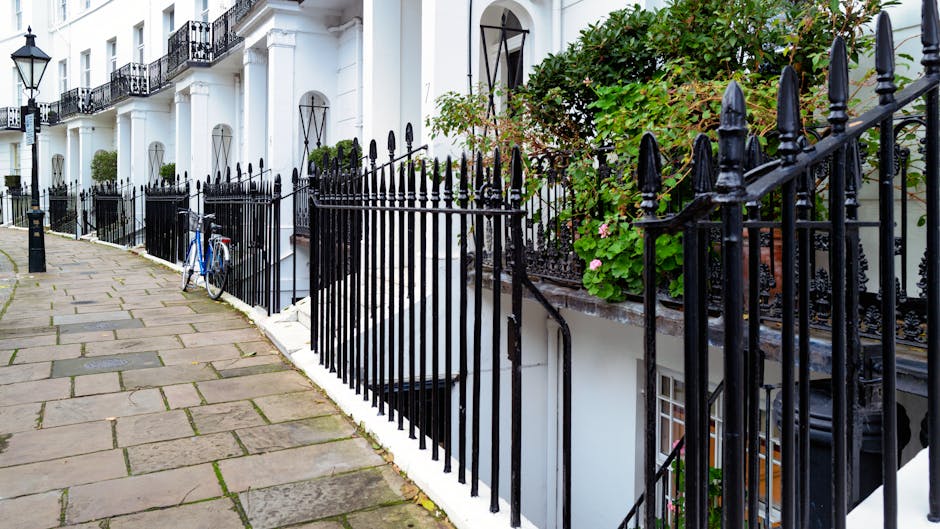
Trusted gardeners on Brondesbury Road for terraced gardens
Terraced gardens can be wonderfully rewarding, but let's be honest, they can also be a bit fiddly. Narrow access, shade from neighbouring walls, awkward levels, overlooked corners, and the constant battle between looking good and staying manageable all add up. That is exactly why trusted gardeners on Brondesbury Road for terraced gardens matter so much. You want someone who understands compact London spaces, knows how to work neatly, and can turn a small outdoor area into something calm, practical, and genuinely pleasant to use.
This guide breaks down what trusted local gardening support looks like, how terraced-garden work is usually handled, what to watch out for, and how to make sensible decisions before you book. If you are thinking about a refresh, regular upkeep, or a more ambitious makeover, you will find clear guidance here without the fluff. And yes, there is a lot that can be done in a small garden. More than most people expect, to be fair.
Table of Contents
- Why trusted gardeners on Brondesbury Road for terraced gardens matters
- How trusted gardeners on Brondesbury Road for terraced gardens works
- Key benefits and practical advantages
- Who this is for and when it makes sense
- Step-by-step guidance
- Expert tips for better results
- Common mistakes to avoid
- Tools, resources and recommendations
- Law, compliance, standards, or best practice
- Options, methods, or comparison table
- Case study or real-world example
- Practical checklist
- Conclusion
- Frequently asked questions
Why Trusted gardeners on Brondesbury Road for terraced gardens Matters
Terraced gardens are not just smaller versions of suburban lawns. They often have their own personality: limited width, strong boundaries, a mix of sun and shade, and neighbouring properties close enough that every decision matters. A poor layout can make the space feel cramped. The right approach, though, can make it feel open, tidy, and quietly inviting.
Trust matters because working in a terraced garden usually means more than basic mowing or a quick tidy. It can involve accurate pruning, careful plant selection, working around shared access, protecting paving, and keeping disruption down for neighbours. When a gardener is reliable, shows up on time, and works methodically, you notice it quickly. The difference is in the edges, the finish, the way the whole garden suddenly feels intentional rather than patched together.
Local knowledge helps too. Brondesbury Road gardens may face shade from buildings, exposed wind along side return spaces, or compact front gardens that need to work hard visually. A good gardener reads those conditions properly instead of applying a one-size-fits-all fix. That is where balancing function and aesthetics in front garden design becomes especially relevant.
Expert takeaway: In a terraced garden, trust is not just about politeness or punctuality. It is about judgement, neat workmanship, and an understanding of how small spaces behave over time.
How Trusted gardeners on Brondesbury Road for terraced gardens Works
The process is usually simple on the surface, but the best results come from a thoughtful sequence. First, the gardener looks at the site as it is now: soil condition, drainage, light levels, boundary issues, existing plants, paving, and access. Then they decide what can be improved quickly, what needs a proper plan, and what should probably be left alone. That last part matters more than people think. Not every plant needs rescuing, and not every corner needs redesigning.
For terraced gardens, the work often falls into one or more of these types:
- regular garden maintenance to keep growth under control
- lawn care or lawn mowing where a small lawn exists
- hedge trimming or boundary shaping for privacy and structure
- patio cleaning to lift shaded, slippery surfaces
- landscaping or planting improvements for a more coherent layout
- tree surgery or controlled pruning where overgrown trees affect light
- fencing repairs or replacements for boundaries and privacy
In practical terms, the gardener should be able to explain what they are doing and why. That sounds obvious, but it is often where trust is built. You do not want mystery work in a garden that already feels tight on space. A clear plan, a sensible timeline, and honest expectations are the hallmarks of good service.
For people comparing providers, it helps to look at the broader gardening services available and then narrow down to the tasks that actually matter in your space. If privacy or shape is a concern, a specialist like hedge trimming in Brondesbury may also be relevant.
Key Benefits and Practical Advantages
A trusted gardener brings more than a tidy finish. In a terraced setting, the practical advantages can be surprisingly broad, and they tend to compound over time.
- Better use of limited space. Small gardens need structure. Good planting and layout make them feel larger and easier to move through.
- Less weekend maintenance. A well-managed terraced garden does not ask for constant rescue jobs.
- Improved privacy. Carefully placed hedges, screens, and planting can soften overlooked boundaries.
- Healthier plants. Correct pruning, watering, and seasonal care reduce avoidable stress.
- Safer surfaces. Mossy paths, slippery patios, and uneven edges can be dealt with before they become a nuisance.
- More usable outdoor living. Even a modest garden can become somewhere you want to sit out with coffee on a quiet morning.
There is also a less obvious benefit: confidence. Once you know your garden is in capable hands, you stop putting off those awkward jobs. The overgrown side passage gets sorted. The dead patch near the fence gets addressed. The whole place starts to feel easier to live with. That relief is real.
If you are working toward a calmer, lower-effort space, the ideas in low-maintenance garden solutions are a useful complement to professional upkeep.
Who This Is For and When It Makes Sense
This kind of service suits a lot of different households. You do not need a huge garden or a grand plan to benefit from a trusted local gardener. In fact, terraced gardens often benefit most because they are the easiest to neglect and the hardest to get back in shape alone.
It makes sense if you are:
- a homeowner who wants a tidy, attractive outdoor space without spending every Saturday on it
- a landlord or managing agent keeping a rental garden presentable
- a busy family needing a safer, more usable back garden
- someone who has recently moved in and inherited an overgrown plot
- a keen gardener who wants help with the heavy lifting, pruning, or seasonal resets
- anyone with shade, awkward access, or privacy issues that need a considered approach
There are times when the need becomes especially clear. Perhaps the fence line is leaning after a wet winter. Maybe the front garden is starting to feel tired and patchy. Or perhaps you have a small paved area that is basically invisible under grime and old leaf build-up. Those are the moments when a dependable gardener saves time and frustration.
If winter is the season when your plot tends to lose its shape, useful ideas can be found in keeping your garden lush through winter. It is not only for large gardens, either.
Step-by-Step Guidance
Here is a sensible way to approach terraced-garden work, whether you are booking help for the first time or planning a more serious refresh.
- Walk the garden properly. Look at the space in daylight and note shade, drainage, clutter, and any areas that feel difficult to use.
- Decide your priority. Do you want easier maintenance, more privacy, better looks, or a complete redesign? Try to rank them.
- Identify structural problems. Uneven paving, damaged fencing, poor soil, and overgrown roots should be spotted early.
- Choose the right type of service. This might be maintenance, lawn care, hedge trimming, patio cleaning, or landscaping.
- Agree the scope. A good gardener should clarify what will be done, what may need extra time, and what is outside the job.
- Prepare access. Move fragile pots, unlock side gates, and clear a route if you can. It helps more than people realise.
- Review the result against your goals. Did the garden become easier to use? Is it clearer, cleaner, and more balanced?
A quick tip: if your terraced garden has a small front section, think of it as a visual handshake with the street. It does not need to shout. It just needs to look cared for. The article on front garden design is useful here, because front spaces often do a lot of quiet work.
Expert Tips for Better Results
Good garden work is usually visible in the little things. The straight line of a hedge. The clean edge along a path. The way one planting bed leads the eye rather than scattering it. Those details add up fast.
1. Keep the planting palette restrained
Terraced gardens can look busier than they are if too many plant shapes, colours, and textures compete for attention. Two or three repeating themes often work better than a dozen one-offs. A bit of repetition gives the eye somewhere to rest.
2. Use vertical space carefully
When floor space is limited, walls, fences, and trellises become valuable. Climbers, hanging planters, and slim screens can add height without crowding the ground. If you have a shaded boundary, evergreen climbers for shade can be a smart way to build year-round softness.
3. Treat drainage as a design issue, not just a technical one
A damp patio or constantly soggy bed is not only unpleasant; it also limits what you can plant. Sometimes the fix is a small regrade, improved edging, or a better-suited planting choice. A good gardener will notice before the problem becomes a puddle-season ritual.
4. Plan for maintenance from the start
Pretty gardens that are impossible to maintain are, frankly, a bit of a trap. Choose shapes and materials that suit the time you actually have. If you want a tidy result with less effort, that should guide the design itself, not be an afterthought.
5. Don't forget seasonal resilience
Terraced gardens can be exposed to wind and sudden temperature swings. In those conditions, sturdier planting, sensible staking, and sheltered corners matter. If that sounds familiar, wind-resistant garden features is worth a look.
Common Mistakes to Avoid
A lot of garden disappointment comes from avoidable mistakes rather than bad luck. A few of the most common ones show up again and again in small London gardens.
- Choosing plants that outgrow the space. A shrub that seems modest in the nursery can take over a terrace boundary quickly.
- Ignoring shade levels. Sun-loving plants in a gloomy corner usually look weak, not magical.
- Overcomplicating the layout. Too many zones, materials, or decorative features can make a compact garden feel cramped.
- Neglecting maintenance access. If you cannot reach the back edge properly, upkeep becomes awkward every single time.
- Skipping edging and tidy transitions. Untidy borders make even healthy planting look unfinished.
- Assuming every job is cosmetic. Sometimes the issue is structural: roots, drainage, damaged fencing, or unsafe surfaces.
And one more, very human mistake: buying plants because they look gorgeous on a sunny afternoon at the garden centre. We have all done it. Then the corner at home turns out to be much darker and more exposed. A bit of realism saves disappointment.
Tools, Resources and Recommendations
A trusted gardener will usually arrive with the right equipment for the task, but it helps to understand the basic kit and supporting services involved. That way, you can have a more useful conversation about your garden and what it needs.
| Need | Useful approach | Why it helps in a terraced garden |
|---|---|---|
| Routine upkeep | regular garden maintenance | Keeps compact spaces tidy without letting small issues build up |
| Grass management | lawn mowing and lawn care | Helps small lawns look deliberate rather than neglected |
| Hard surfaces | patio cleaning | Brightens shaded spaces and improves safety underfoot |
| Boundary control | fencing and hedge work | Restores privacy and defines the garden properly |
| Major reshaping | landscaping | Useful if the layout needs a more substantial rethink |
| Problem trees | tree surgery | Improves light, space, and safety where trees are overdominant |
For people who prefer a more curated planting style, container work can also be a smart option. It gives flexibility, especially in paved or awkward spaces. The guide on container gardening is a useful companion if you want colour without committing to heavy bed work.
If you are starting from scratch or simply want to understand what a professional visit might involve, gardening basics for newcomers can help frame the conversation. And if your garden feels tired and overrun, makeover tips for a neglected space can point you in the right direction.
Law, Compliance, Standards, or Best Practice
Most residential garden work is straightforward, but trusted gardeners should still work in line with sensible UK best practice. That means care around tools, safe disposal of waste, attention to access, and respect for neighbours and property boundaries. It also means honest communication about what is included, what might cost extra, and whether any task requires specialist treatment.
For example, tree work should be treated carefully. Not every pruning job is minor, and not every overgrown tree is suitable for a quick trim. Similarly, if a boundary fence is unstable or a surface is slippery, safety comes before appearance. That is common sense, but it is also how professional standards should operate.
It is wise to look for providers who are transparent about their health and safety policy, their insurance and safety approach, and their terms and conditions. If a customer ever has an issue, a clear complaints procedure is also a reassuring sign rather than a red flag.
For peace of mind around payments and information handling, it helps when a business is clear about payment and security, privacy policy, and cookie policy. These pages may seem dull at first glance. Still, they are part of what makes a service feel trustworthy, especially when you are inviting someone to work around your home.
You can also learn more about the company's broader values and working standards through about us and its modern slavery statement. Those are the kinds of details that quietly tell you whether a business takes responsibility seriously.
Options, Methods, or Comparison Table
Different terraced gardens need different levels of input. Sometimes a simple maintenance visit is enough. Other times, a more structural improvement makes better long-term sense. Here is a practical comparison.
| Approach | Best for | Strengths | Watch-outs |
|---|---|---|---|
| Regular maintenance | Gardens that are basically sound but need routine care | Predictable, tidy, low disruption | Won't solve deeper layout or drainage issues |
| Focused one-off tidy-up | Overgrown or abandoned spaces | Fast visible improvement | May need follow-up visits to stay on track |
| Hedge, fence, and boundary work | Terraces needing privacy or structure | Strong impact on appearance and seclusion | Requires good judgement to avoid harsh lines |
| Landscaping refresh | Gardens with poor layout or tired materials | Can transform the whole feel of the space | More planning and a bigger commitment |
For privacy-led work, it is worth pairing the practical side with the visual side. The article on speedy hedge selections for seclusion is especially useful if you want quicker screening without making the garden feel boxed in.
If your terrace also needs a design-led seating area, the step-by-step guide to beautiful seating areas is a good reference point. People often underestimate how much a simple bench, one clear path, and a bit of planting can change how a garden feels at 7pm on a summer evening. Quietly transformative, that sort of thing.
Case Study or Real-World Example
Imagine a typical Brondesbury terrace: a narrow back garden, a bit of lawn in the middle, a shaded rear wall, and a tired patio that has gone dull with moss and leaf fall. The owner wants less work, more privacy, and a place to sit out with a tea on a dry morning. Not a big ask, really. But the space feels awkward and neglected.
A trusted gardener would usually start by clearing the clutter and cutting back overgrowth. Next comes a proper look at the structure. Is the lawn worth keeping, or would a smaller, easier-to-manage planted area make better sense? Is the patio too slippery? Does the fence need replacement or can it be repaired? Once those questions are answered, the garden can be shaped around daily use rather than old habits.
In many cases, the result is not a dramatic "before and after" in the glossy magazine sense. It is better than that. The garden becomes easier to walk through, easier to maintain, and far more pleasant to look at from the kitchen window. A few evergreens at the boundary, some well-chosen ground cover, and a cleaner hard surface can make a surprisingly big difference. You start using the space again. That is the real win.
For colder months or tricky shaded corners, mixing in plants suited to the conditions helps keep the space working all year. Useful reading includes ground covers for UK gardens and vertical gardening ideas for smaller plots. If the garden is also shared with children or pets, you may want the added perspective from creative and safe child-friendly garden guidelines and making a garden safe for both plants and pups.
Practical Checklist
Use this before booking or briefing a gardener. It keeps the conversation focused and saves the awkward back-and-forth later.
- Identify your top three goals for the garden.
- Note which areas are shady, windy, wet, or awkward to reach.
- List any jobs that are urgent, such as unsafe branches or slippery paving.
- Decide whether you need maintenance, a one-off tidy-up, or a larger redesign.
- Think about privacy, pets, children, and how the space is actually used.
- Check whether your garden needs fencing, tree work, or patio cleaning as part of the job.
- Ask how waste will be handled and cleared away.
- Confirm the expected timeline and any access requirements.
- Review payment, security, and service terms before work begins.
- Plan a follow-up schedule if the garden will need seasonal upkeep.
Quick reminder: if you want the garden to stay good-looking rather than just look good once, maintenance planning is half the battle.
Conclusion
Trusted gardeners on Brondesbury Road for terraced gardens bring together local awareness, practical skill, and the kind of reliability that makes small outdoor spaces genuinely enjoyable. In a terraced setting, every centimetre counts. A good gardener knows how to balance structure, planting, privacy, and maintenance so the garden feels calmer, not busier.
If you are weighing up whether to book help, the simplest test is this: will the work make your garden easier to use in six months' time, not just prettier for a week? If the answer is yes, you are on the right track. And if you are still unsure, start with the basics, then build from there. Gardens rarely need everything at once.
Get a free quote today and see how much you can save.
Sometimes the best garden changes are the quiet ones. A clearer path, healthier planting, a fence that no longer wobbles in the wind. Enough, really, to make the whole place feel like yours again.
Frequently Asked Questions
What do trusted gardeners on Brondesbury Road for terraced gardens actually do?
They usually handle maintenance, pruning, hedge trimming, lawn care, patio cleaning, planting improvements, fencing, and sometimes larger landscaping tasks. The exact mix depends on the garden and what needs attention most.
How often should a terraced garden be maintained?
That depends on planting, shade, and how much use the garden gets. Many terraced gardens benefit from regular seasonal upkeep, with more frequent visits during the faster-growing months.
Can a small terraced garden still feel spacious?
Yes. Smart planting, good edging, vertical features, and a restrained layout can make a compact garden feel much larger than it is. It is more about clarity than size.
Is hedge trimming important in a terraced garden?
Very often, yes. Hedges can define boundaries, increase privacy, and stop small gardens feeling messy. The key is keeping the shape tidy without overcutting into a natural, healthy framework.
What should I ask before hiring a gardener locally?
Ask about the scope of work, access, waste removal, insurance, timing, payment, and whether they have experience with compact or shaded gardens. A straightforward, clear answer is usually a good sign.
What if my terraced garden has lots of shade?
Shade changes everything, from plant choice to surface condition. A knowledgeable gardener will usually recommend shade-tolerant planting, improved structure, and a cleaning or maintenance plan that deals with damp and moss.
Do I need landscaping, or is maintenance enough?
If the garden is basically functional but untidy, maintenance may be enough. If the layout, boundaries, or materials are working against you, landscaping might give a better long-term result.
How do I know if a gardener is trustworthy?
Look for clear communication, realistic advice, neat workmanship, transparent policies, and consistency. Trust tends to show up in the small things: arriving when agreed, explaining choices, and leaving the space tidy.
Can gardeners help with winter preparation?
Yes. Winter prep may include cutting back vulnerable growth, protecting plants, improving drainage, and dealing with leaves or slippery surfaces. It is often worth doing before the cold really settles in.
What if the garden feels completely neglected?
That is common, and it is not hopeless. A staged approach usually works best: clear the debris, deal with the structural problems, then rebuild the garden in manageable phases. A full rescue is often easier than people expect.
Are pets and child safety part of garden planning?
They should be. Safe surfaces, sensible planting, and clear boundaries matter a lot in family or pet-friendly gardens. It is worth discussing these needs at the start rather than after the work is done.
Where can I learn more before booking?
You can explore the company's gardening services, read the about us page, and check practical pages such as pricing and quotes. If you are ready to talk, the simplest next step is to get in touch here.